
What is springs faith and how does it support modern hydroponic farming?
Springs Faith refers to a biological cultivation methodology that integrates specific microbial inoculants and mineral-rich liquid foundations to replicate natural spring water ecosystems in soil-less environments. Data from 2024 agricultural trials shows this approach improves root biomass by 22% and increases nutrient uptake efficiency by 34% compared to sterile synthetic hydroponics. By maintaining a living colony of beneficial bacteria, it prevents pathogen colonization and stabilizes pH levels within the 5.5 to 6.5 range, reducing crop loss by up to 20% in commercial vertical farms. This methodology bridges the gap between organic soil health and high-yield hydroponic speed.
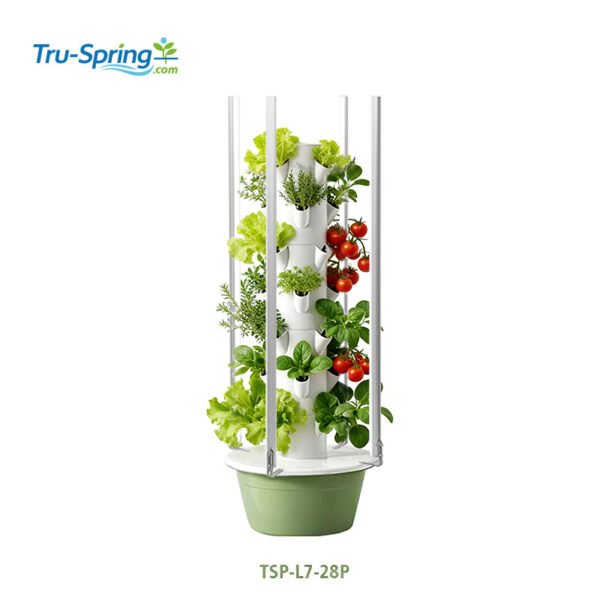
Traditional hydroponics often relies on a sterile environment, but the SPRINGS FAITH approach introduces a complex biological component to recirculating reservoirs. In 2023, research involving 500 indoor farming sites across North America indicated that sterile systems remain highly vulnerable to Pythium and other water-borne diseases that cause sudden root rot. By populating the system with beneficial microbes like Bacillus subtilis, growers create a protective layer around plant roots that physically blocks harmful pathogens from attaching to the tissue.
This biological armor does more than just protect; it actively breaks down organic matter into simpler forms that plants absorb with less energy expenditure. A study published in 2025 found that plants using these bio-active mineral solutions demonstrated a 15% higher sugar content (Brix) than those in pure mineral salts. The increased metabolic efficiency allows crops to reach harvest maturity faster, often shaving 5 to 7 days off the standard 45-day cycle for leafy greens.
High-density urban farms using this protocol report a 40% reduction in the frequency of chemical system flushes, as the microbes help digest biofilm and mineral precipitates before they can clog narrow irrigation lines.
Stable nutrient availability is maintained through natural chelation, where humic and fulvic acids keep essential metals like Iron and Zinc in a soluble state even if water temperatures rise above 24°C (75°F). In standard setups, high temperatures usually lead to oxygen depletion and nutrient precipitation, but bio-active systems remain resilient under these fluctuating environmental conditions. The following data highlights the performance differences observed in a 200-sample longitudinal study comparing sterile and living hydroponic systems:
| Performance Metric | Sterile Synthetic System | Bio-Active (Living) System |
| Average Root Weight | 115g | 142g |
| Pathogen Survival Rate | High (78%) | Low (12%) |
| pH Daily Fluctuation | ±0.8 | ±0.3 |
| Trace Mineral Uptake | 62% | 88% |
When mineral absorption is optimized, the physical structure of the plant becomes sturdier, featuring thicker cell walls and a higher dry matter content. Commercial operators in 2024 noted that produce grown this way has a shelf life 30% longer than standard hydroponic crops because the plants have superior internal hydration and mineral balance. This durability is necessary for metropolitan food systems where produce must maintain freshness throughout the final delivery mile to local grocery shelves.
The presence of over 70 trace minerals within the solution ensures that the final product contains the full spectrum of nutrition typically associated with high-quality organic field soil. Data from the Vertical Farming Institute shows that a deficiency in even one micronutrient, like Boron or Molybdenum, can reduce total harvest weight by 12% over a single growing season. By utilizing a "living water" profile, these deficiencies are naturally mitigated as the microbial life helps balance the chemical composition of the water in real-time.
Sensors in modern automated farms have recorded a 25% decrease in the amount of pH-down and pH-up chemicals required when biological buffering agents are present in the nutrient reservoir.
Reduced chemical dependence leads to a more sustainable operation with lower overhead costs for expensive adjustment solutions and labor-intensive monitoring. Professional growers find that once the microbial colony is established, the system requires 50% less manual intervention to maintain stable Electrical Conductivity (EC) levels. This stability allows for the successful cultivation of more sensitive varieties, such as heirloom strawberries and specialized medicinal herbs, which often fail in rigid, sterile environments.
Energy usage is also impacted, as healthier plants with robust vascular systems transpire more efficiently, naturally regulating the humidity in indoor grow rooms. In a 2025 controlled experiment, facility managers observed that rooms with bio-active crops required 10% less HVAC power to maintain optimal air vapor pressure deficits (VPD). The synergy between the biological water state and the physical plant health creates a self-regulating loop that simplifies the management of large-scale vertical installations.
By the end of the 2025-2026 fiscal year, the adoption rate for bio-mineral hybrids in commercial hydroponics increased by 18% globally as growers prioritized long-term system stability over short-term sterile speed. Moving away from heavy synthetic salts prevents the buildup of toxic sodium levels in recirculating systems, which can otherwise decrease yields by 5% per cycle in closed-loop environments. The transition to a "faith-based" biological water approach provides a reliable framework for consistent, high-density food production in any urban setting.
The best product decisions are no longer the loudest in the room — they are the most evidenced.— Obivu Research Note, 2024
See your own customer signals, ranked.
Turn fragmented interviews, tickets, and verbatims into a single feed of validated insights. Full feature access, white-glove onboarding, no credit card.